
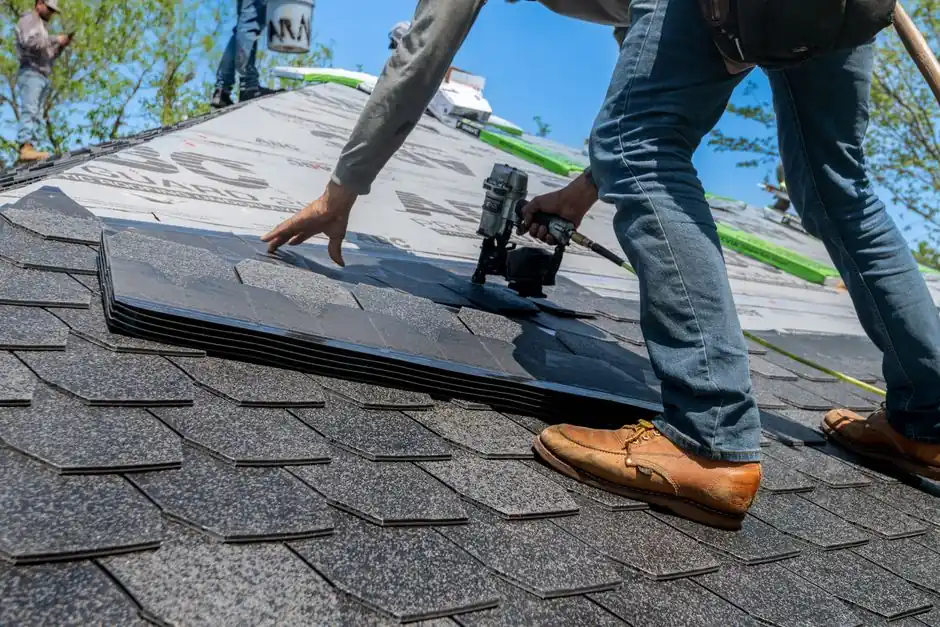
Reliable Roof Solutions in Silver Spring, MD
Roof Repair in Silver Spring, MD
A damaged shingle, loose flashing, or leak around a roof penetration can leave a home exposed to water. The right repair depends on what has failed, how much of the roof is affected, and whether the surrounding materials are still in suitable condition.
Roof repair in Silver Spring, MD should begin with an assessment of the affected area—not an automatic recommendation to replace the entire roof. A repair may involve replacing damaged shingles, correcting flashing, addressing a leaking pipe boot, or repairing another part of the roof assembly. The scope should reflect the actual condition of the roof and the work needed to correct it.
If you have noticed missing shingles, ceiling stains, water entering during rain, or visible roof damage, arrange an assessment to understand what needs attention and what the repair should include.
Live dispatcherUpfront optionsBacked workmanship
Comprehensive Coverage
Common Roof Repair Services in Silver Spring
Roof damage does not always affect the same part of the roofing system. Some problems involve the visible roof covering, while others develop around flashing, roof openings, edges, or areas where different roof surfaces meet. Common repair areas include:
Asphalt Shingle Repair
Asphalt shingles can crack, split, lose granules, lift, or become damaged around their edges. A repair may involve replacing affected shingles and checking the surrounding courses, underlayment and fastening points. The condition of nearby shingles also matters: replacing one damaged shingle is not a complete solution if the surrounding area has widespread deterioration.
Missing or Lifted Shingle Repair
Wind can loosen shingles or remove individual tabs, leaving parts of the roof more exposed to rain. A proper repair should check the affected section and the surrounding shingles, including their condition and attachment. Simply placing a replacement shingle over an unsuitable or damaged surface may not correct the underlying problem.
Roof Flashing Repair
Flashing helps direct water away from joints and transitions in the roof. It is commonly found around chimneys, walls, vents, skylights and other roof openings. Loose, damaged, corroded or poorly integrated flashing can allow water to enter even when the surrounding shingles appear intact. The repair should address the affected flashing detail and how it connects with the adjoining roofing materials.
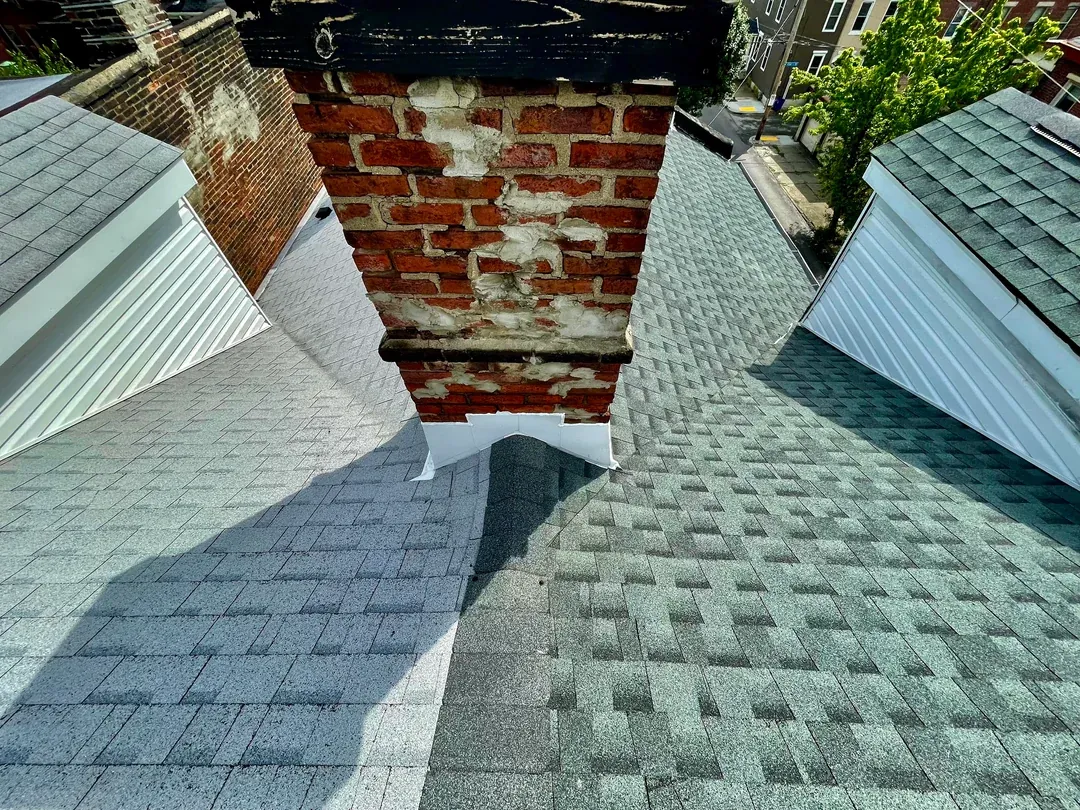
Chimney Flashing Repair
The area where a chimney meets the roof requires careful attention because it combines masonry, roofing materials and several flashing details. A leak may involve step flashing, counterflashing, the chimney structure, or nearby roof materials. The source should be identified before deciding whether flashing repair, replacement or additional masonry work is needed.
Roof Valley Repair
A roof valley is where two sloping roof sections meet and channel rainwater downward. Because water flows through this area, damaged shingles, deteriorated valley materials, debris or incorrectly installed flashing can contribute to leaks. Repairing a valley requires attention to the drainage path and the surrounding roof covering—not just the visible spot where water appears.
Skylight Leak Repair
Water around a skylight may enter through damaged flashing, a failed connection between the skylight and roof, or a problem with the skylight frame or seals. The roof covering and the skylight itself need to be considered separately. Depending on the condition of the unit and its flashing, the appropriate work may involve repairing the flashing, correcting the roof connection or replacing the skylight.
Roof Vent & Pipe Boot Repair
Plumbing vent pipes and other roof penetrations use flashing or boot assemblies to keep water from entering around the opening. Rubber components can deteriorate, metal flashing can become damaged, and connections may separate over time. The repair should restore the water-shedding detail around the penetration rather than relying only on surface sealant.
Roof Edge & Drip Edge Repair
Roof edges help manage water as it leaves the roof and enters the gutter system. Damaged edge metal, deteriorated fascia, loose shingles or problems with the drip edge can allow water to reach areas that should remain protected. The condition of the roof edge, underlayment, gutter connection and adjacent materials should be considered together.
Important Service Note: The repair needed depends on the roof material, the location of the damage and the condition of the surrounding components. Not every contractor works on every roofing system or performs every type of repair, so confirm the available service before scheduling.
Early Detection
Signs You May Need Roof Leak Detection
Not every roof leak starts with water dripping from the ceiling. In some cases, the first signs are subtle and may appear in different areas of your home. Watch for these warning signs:
Brown or Yellow Ceiling & Wall Stains
Brown or yellow marks spreading across ceilings or walls indicate persistent moisture penetration. The visible stain may be situated away from the actual roof entry point as water travels across roof decking and rafters.
Peeling Paint & Bubbling Drywall
Peeling paint, bubbling drywall, or damaged ceiling finishes suggest water is pooling behind sheetrock and degrading interior gypsum board and framing.
Musty Odors in Upper Rooms & Attic
A damp, musty smell in upper rooms or attic spaces often signals hidden moisture accumulation and early fungal growth trapped within enclosed wall cavities.
Damp Insulation or Visible Attic Moisture
Compressed, discolored fiberglass insulation or moisture droplets on underside plywood decking confirm water is actively breaching the water-control layer.
Water Marks Around Chimneys & Skylights
Tide marks, rusted nails, or stained drywall surrounding chimney framing, skylight wells, or roof edges indicate compromised flashing interfaces.
Dripping Sounds During or After Rainfall
Hearing water tapping on drywall or insulation during or hours after a storm means water is slowly trickling through the roof assembly.
Mold-Like Growth or Recurring Damp Spots
Dark patches, mildew lines along crown moldings, or recurring damp spots warrant an immediate inspection to stop structural wood rot.
Homeowner Safety Warning:
Do not climb onto a wet or steep roof to check these signs yourself. A view from the ground, photographs taken from a safe location, and observations from inside the attic can help explain the concern without putting you at risk.
Thorough Evaluation
Roof Leak Inspection: What Should You Expect?
A roof leak inspection should focus on finding the source of water intrusion rather than simply identifying visible interior damage. During an inspection, a roofing professional should connect the symptoms you have noticed with the actual condition of the affected roof assembly:
01
Step 1
Reviewing the Reported Problem
Ask when the leak started, whether it appears during specific weather conditions, whether it follows heavy or wind-driven rain, and whether previous repairs have been attempted.
02
Step 2
Checking Visible Interior Damage
Review visible water stains, bubbling paint, attic framing, and affected interior areas to trace moisture patterns back toward the roof structure.
03
Step 3
Examining Accessible Roof Surfaces
Review visible shingles, seams, fasteners, and surrounding roofing materials to check for shingle lifting, cracking, or granule deterioration.
04
Step 4
Checking Vulnerable Transitions
Examine critical weak points including flashing, valleys, vents, skylights, chimneys, roof-to-wall joints, roof edges, and drainage points where water concentrates.
05
Step 5
Defining Localized vs. Larger Scope
Assess whether damage is confined to a defined area or affects a larger section, determining whether surrounding materials support a localized repair.
06
Step 6
Explaining Source, Cause & Estimate
Explain the likely source of the leak, the proposed repair scope, materials, exclusions, and limitations before any physical work proceeds.
The assessment should distinguish between visible damage and conditions that have not yet been confirmed. If concealed damage is discovered during the work, the homeowner should be informed and given an explanation of any proposed change to the scope before additional work proceeds.
For a more detailed explanation of how water entry is traced and evaluated, see our roof leak detection and repair service.
Source Diagnosis & Weather Physics
Roof Leak Detection: Where Water Usually Enters
A leak may become visible on a ceiling, around a window or near an exterior wall, but that does not necessarily show where water entered the roof. Water travels along roof decking, framing, or electrical conduit before dropping into living spaces.
Roof Valleys
The junction between sloping roof sections carries concentrated runoff. Damaged valley materials, accumulated debris, or surrounding shingle fatigue can create a primary entry point.
Flashing Transitions
Flashing protects joints and changes in roof direction. Loose, damaged or incorrectly integrated flashing can interrupt the roof's continuous water-shedding path.
Chimney Bases
Water can enter around the base of a chimney when step flashing, counterflashing, mortar joints, or adjoining roofing materials deteriorate or detach.
Skylights
The connection between the skylight curb, its frame seals, step flashing and surrounding roof covering needs to be thoroughly checked for leaks.
Roof Penetrations
Plumbing vents, HVAC flues, exhaust pipes and other openings require suitable rubber boot flashing and integration with the roof's water-control underlayment.
Roof-to-Wall Transitions
Where a roof slope meets a vertical wall or siding, the step flashing and overlapping materials must direct water outward away from interior wall cavities.
Drainage and Roof Edges
Blocked drainage routes, damaged drip edge details or water that cannot drain correctly into gutters can back up under the bottom shingle courses.
⛈️ Leaks Only During Heavy or Wind-Driven Rain?
Some roof leaks remain hidden during light rain but become noticeable when rainfall is heavier or wind pushes water against the roof from different angles.
This happens when flashing has microscopic gaps, shingles have lost adhesive bond, or water collects around roof valleys faster than it can discharge. Wind-driven rain can also push water upward beneath overlapping shingle tabs and expose weaknesses around roof-to-wall connections, exhaust vents, and roof edges.
If your ceiling leaks only during specific storm directions, sealing the visible interior stain will not stop water from entering through the roof covering.
🔄 Why Does a Roof Leak Return After a Previous Repair?
A roof leak that returns after a repair indicates that the original water entry point was missed or that the fix only addressed the surface symptom rather than the underlying assembly.
- Missed Entry Point: The actual water entry point was feet away from the ceiling stain.
- Unaddressed Flashing: Damaged step flashing or rusty underlayment was ignored.
- Water Travel: Water travels along roof rafters before dripping onto insulation.
- Multiple Breaches: Several weak areas or failed nail seals allowed moisture inside.
- Temporary Caulk: The previous repair relied on surface sealant instead of new metal.
A visible interior stain is a starting point for an investigation, not proof of the exact source. The inspection must follow the likely water path and examine relevant exterior details before a repair method is selected.
For a dedicated explanation of leak symptoms, inspection and source diagnosis, visit Roof Leak Detection & Repair in Silver Spring.
Accurate Diagnosis
Is It a Roof Leak, Condensation, or a Plumbing Problem?
Water stains and damp areas inside a home do not always mean the roof is leaking. Moisture can also originate from attic condensation, plumbing lines, or HVAC systems. The timing, location, and pattern of moisture help narrow down the cause:
Roof Leak
Moisture appears during or shortly after rainfall, especially during heavy downpours or wind-driven storms. Stains typically locate near exterior walls, sloped ceilings, chimneys, valleys, or skylights.
Timing Indicator: Directly correlated with rain events, wind direction, or snow/ice melt.
Attic Condensation
Moisture develops in the attic, on roof decking, or near bath fan vents due to temperature differences and high humidity. Warm indoor air escapes into a cold attic without adequate ventilation, condensing into water droplets.
Timing Indicator: Peaks during cold winter months or humid transitional seasons regardless of rain.
Plumbing Problem
Damp spots or dripping that continue steadily regardless of weather. Often situated beneath upstairs bathrooms, laundry facilities, kitchen supply lines, or near AC condensation drain lines.
Timing Indicator: Constant or triggered by appliance usage (showers, washing machines) without rainfall.
Unsure of the Source? If the cause is unclear, an on-site roof inspection can verify whether your roofing system is compromised or rule it out so you can coordinate with plumbing or HVAC specialists.
Smart Decisions
Roof Repair vs. Roof Replacement: Which Makes Sense?
A roof does not automatically need replacement because one section is leaking or a few shingles are damaged. In some situations, a localized repair can address the problem while the rest of the roof remains serviceable.
🛠️ A Repair May Be Appropriate When:
- Damage is strictly limited to a defined, localized area.
- A small number of shingles, pipe boots, or flashing components have failed.
- The surrounding roof covering remains in reasonable, pliable condition.
- The underlying roof deck is sound and not showing widespread rot or deterioration.
- The repair can restore the affected area without leaving other known defects unresolved.
🏠 A Replacement Assessment Is Warranted When:
- Deterioration is spread across multiple roof slopes and sections.
- Shingles or other roof materials show widespread granule loss, curling, or aging.
- Leaks continue in multiple different areas despite previous localized repairs.
- Significant underlying roof deck rot, sagging, or moisture damage is uncovered.
- The roof's overall age makes repeated spot repairs an increasingly uncertain expense.
Age alone should not determine the decision. The roof material, installation history, maintenance, exposure and current condition all matter. A contractor should explain the evidence supporting a repair or replacement recommendation and identify any limitations in the assessment.
If the roof appears to need a broader project, see our roof replacement service in Silver Spring.
Urgent Storm Guidance
What Should You Do While Your Roof Is Actively Leaking?
Active water entering a home can damage ceilings, insulation, flooring, furniture and personal belongings. Take these immediate steps to protect your interior while arranging a professional roof inspection:
Move Belongings Away
Move furniture, electronics, and valuable items away from the affected area immediately to prevent moisture and water staining.
Catch Dripping Water
Place a sturdy bucket or deep container beneath the drip. Empty it regularly to prevent overflow and water pooling.
Protect Flooring & Surfaces
Protect floors and surrounding belongings with waterproof plastic sheeting, heavy tarps, or layers of absorbent towels.
Do Not Puncture Bulging Ceilings
If the ceiling is bulging with trapped water, keep people away from the area and do not puncture or press on it yourself, as it could suddenly collapse.
Avoid Electrical Hazards
Avoid electrical fixtures, switches, outlets, and appliances near wet zones. If water is near electrical equipment, keep clear and contact an electrician.
Document Damage with Photos
Take clear photos of visible ceiling stains, dripping water, and affected personal property for your records and insurance documentation.
Arrange Professional Inspection
Contact a licensed roofing professional to schedule an on-site inspection. Avoid climbing onto a wet or storm-damaged roof yourself.
⏳ Temporary Roof Leak Protection
Temporary protection helps reduce interior water damage while you arrange a proper repair. However, it does not fix the root source of the leak.
Temporary measures include placing containers beneath active drips, covering belongings with tarps, and installing emergency roof tarps when weather conditions allow safe staging. A temporary tarp should never be treated as a permanent solution.
🛡️ Permanent Roof Repair
Permanent repair involves identifying the exact water entry point and addressing the failed roofing component.
Depending on the problem, this involves replacing damaged shingles, rebuilding step or counterflashing, replacing rubber pipe boots, or re-laying valley metal. Permanent repairs restore the continuous water barrier and protect home value.
System-Specific Expertise
Roof Leak Repair for Different Roofing Systems
Roof leak repair depends on the roofing material, roof design, and location of the damage. Different systems require distinct inspection methods and compatible materials:
Asphalt Shingle Roofs
Damaged, loose, or missing shingles can allow water to reach underlying roofing layers. Flashing, valleys, and roof edges must also be checked because leaks commonly originate around metal joints rather than the shingle field itself.
Flat & Low-Slope Roofs
Flat and low-slope membrane roofs (TPO, EPDM, Mod-Bit) require attention to drainage slopes, seam bonding, scuppers, and ponding areas. Small punctures or failing seams can allow moisture to saturate underlying rigid board insulation.
Metal Roofs
Metal roofing leaks frequently develop around loose gasketed fasteners, panel lap connections, transition flashing, or thermal expansion joints. The precise entry point must be pinpointed before applying compatible metal repair details.
Roofs With Skylights & Chimneys
Roof openings and architectural transitions require properly maintained step flashing, counterflashing, and curb seals. Damaged, rusted, or separated connections around these features create primary entry points for wind-driven rainwater.
Specialist Handling: An on-site inspection helps determine which part of the roofing system needs attention and whether a localized repair is appropriate for your roof’s material and age.
Clear Documentation
What a Professional Roof Repair Estimate Should Include
Before approving roof repair work, homeowners should be able to understand what the contractor found, what will be repaired and what the quoted amount covers. A clear written estimate should identify:
Inspection Findings
A description of the reported issue and the exact conditions observed during evaluation.
Photographs
Clear images of the affected area with sufficient context to understand the location.
Affected Components
Specific shingles, flashing, vent boots, valleys, or edge metals included in the scope.
Repair Scope
Exact work procedures, including removal and disposal of damaged materials.
Materials & Specs
The proposed replacement shingles, flashing metals, and compatible sealants.
Exclusions
Items not included, such as interior drywall repairs, painting, or unconfirmed deck rot.
Price & Terms
Total quoted amount, payment schedule, and terms for handling unexpected discoveries.
Warranty Terms
Workmanship warranty coverage, duration, and separate manufacturer material warranties.
If additional damage is found after work begins, the contractor should explain the new finding, document it where possible and obtain approval for a revised scope before proceeding with extra work.
Comparing estimates is easier when each contractor is quoting for the same affected area and comparable work. A lower total is not necessarily a better option if important components, materials or necessary corrections have been excluded.
Transparent Pricing
Roof Repair Cost Factors in Silver Spring
Roof repair costs vary because two jobs that appear similar from the ground can involve different materials, access requirements and amounts of work. A reliable estimate should be based on actual roof conditions:
Size of the Damaged Area
Replacing a handful of loose windblown shingles requires fewer hours and materials than repairing a large roof section with underlying water intrusion.
Roof Accessibility
Multi-story heights, limited yard access for ladders, and equipment requirements can influence staging time, setup safety, and labor hours.
Roof Pitch & Steepness
Steeper pitches demand specialized safety harnesses, scaffolding, and slower, meticulous work compared to low-slope walkable roofs.
Roofing Material Type
Asphalt shingles, architectural shingles, slate tiles, standing-seam metal, and flat membrane systems require distinct repair techniques and specialized parts.
Flashing Complexity
Joints around chimneys, skylights, dormers, and multiple intersecting rooflines demand detailed metal craftsmanship compared to straightforward shingle tabs.
Concealed Plywood Damage
Deteriorated roof decking, rotted sub-fascia, or soaked underlayment may only be fully visible once the surface materials are carefully opened up.
Water Damage Beyond Roof
If water has traveled into attic insulation, drywall, or structural framing, secondary remediation considerations may need to be addressed separately.
The estimate should explain which of these factors apply to the property. There is no single fixed price that accurately describes every roof repair in Silver Spring.
Trust & Verification
Why Homeowners Should Choose a Qualified Roofing Professional
Roof leaks can involve much more than the visible damaged area. Water may travel beneath roofing materials or along structural components before appearing inside your home. Before approving repair work, homeowners should look for:
🛡️ Professional Qualifications Checklist
- Appropriate Licensing & Insurance: Active Maryland MHIC licensing and comprehensive liability coverage.
- Clear Explanation of the Problem: Photographic evidence and an explanation of the entry point, not just the stain.
- Written Scope of Work: Detailed estimate describing the proposed repair, materials, and procedures.
- Specified Material Quality: Clearly stated shingle brand, underlayment type, and flashing metals.
- Clear Communication & Warranty: Upfront pricing, change-order approval terms, and written workmanship warranties.
🏛️ Montgomery County DPS & Permits
Permit requirements depend on the work being performed and property jurisdiction. Montgomery County's home-improvement guidance lists roof covering work among projects that most likely do not require a permit.
However, structural framing replacements, alterations, or work within incorporated municipalities require direct verification with the Montgomery County Department of Permitting Services.
Choosing a contractor who clearly explains the problem and provides complete documentation helps you make an informed decision to protect your home.
Local Craftsmanship & Case Studies
Roof Repair Projects in Silver Spring, MD
Every roof repair project starts with understanding where water is entering and what part of the roofing system needs attention. The repair approach depends on the roof's condition, material, and extent of damage. Our work addresses damaged shingles, deteriorated flashing, roof leaks, and transitions.
Authenticity Guarantee: Only genuine, permission-cleared project photographs and verified project details appear in this section. We do not use stock roofing images as evidence of completed local work.
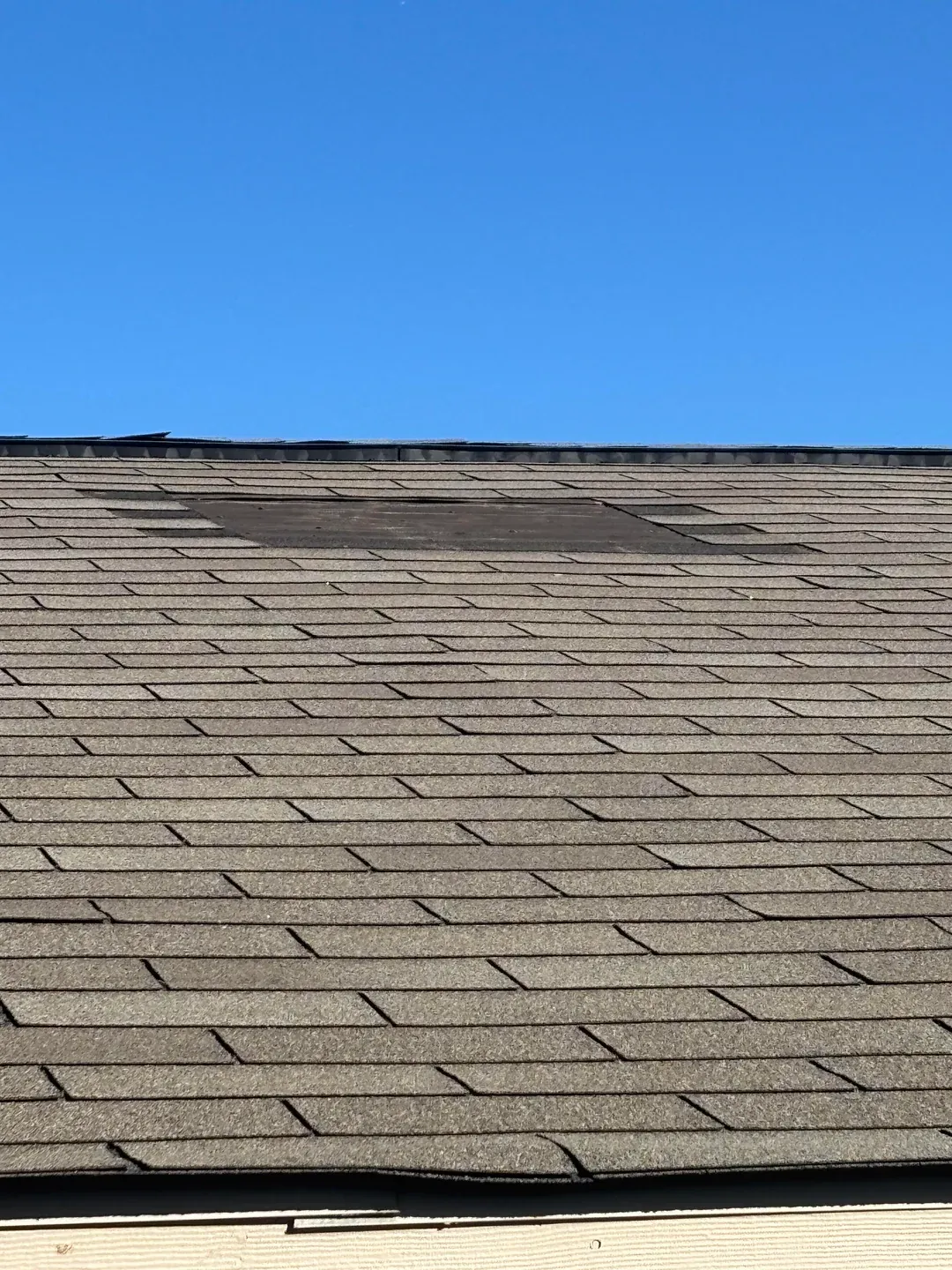 Downtown Silver Spring, MD
Wind Storm Restoration
Wind-Damaged Tab & Underlayment Repair
 Colesville, MD
Valley Drainage & Leak Repair
Roof Valley & Shingle Transition Repair
White Oak, MD
Flashing & Masonry Transition
Chimney Flashing & Step Integration
Customer reviews
What Our Customers Say About Our Roof Repairs
★★★★★
“A storm ripped away several shingles on our roof. Roof Repair Silver Spring showed up on time, matched our existing shingles perfectly, and inspected the surrounding underlayment. Honest and fast!”
★★★★★
“Other companies told me I needed a whole new $14k roof for a pipe collar leak. These technicians explained the actual boot failure, replaced it cleanly, and saved me thousands. Cannot recommend them enough.”
★★★★★
“Great communication from dispatch to completion. They took before-and-after photos of the valley flashing repair and gave me full documentation for our home records.”
Clear Answers
Frequently Asked Questions About Roof Repair in Silver Spring
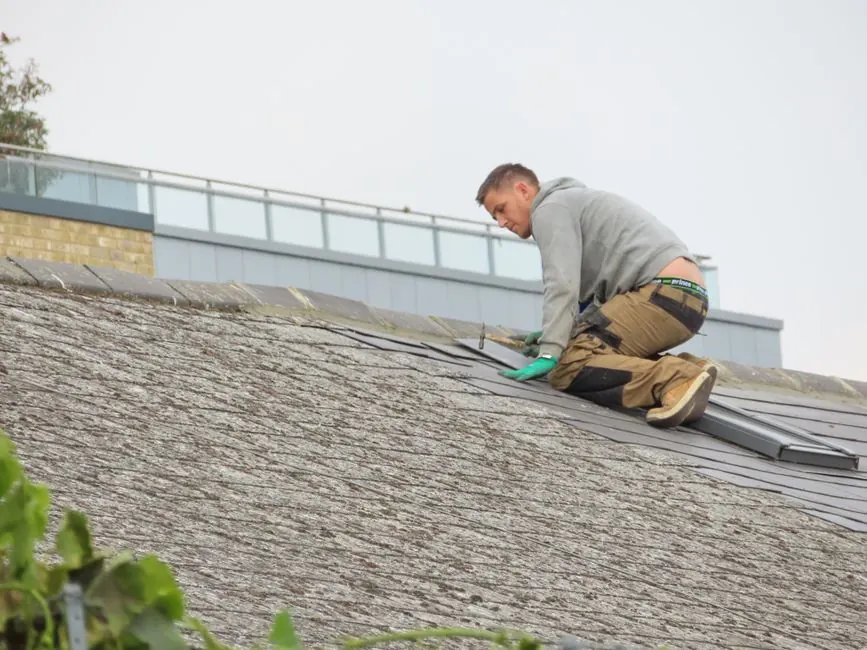
Have a question about a leak or repair? Our dispatcher can evaluate your symptoms and arrange an assessment.
Call (301) 872-7857Can a roof be repaired without replacing the entire roof?
Yes, when the damage is localized and the surrounding roofing system remains in suitable condition. A contractor should assess the affected area and nearby materials before recommending a repair or replacement.
Can you replace only a few missing roof shingles?
In many cases, individual missing or damaged shingles can be replaced. The surrounding shingles, fastening and underlayment should also be considered to make sure the repair addresses the affected area properly.
Why does my roof leak again after a repair?
A recurring leak can mean that the original entry point was not identified, the repair did not address all affected components, or a separate nearby area is allowing water in. The roof should be reassessed rather than repeatedly sealing the same visible interior location.
Does damaged flashing always need to be replaced?
Not always. The appropriate work depends on the type and extent of damage, how the flashing is installed and the condition of the adjoining materials. Some details may be repairable, while deteriorated or incorrectly integrated flashing may require replacement.
How much does roof repair cost in Silver Spring?
There is no reliable single price for every repair. The cost depends on the damaged area, roofing material, access, roof pitch, flashing complexity and any concealed damage. A written estimate should explain the work and materials included.
How long does a roof repair take?
The time depends on the repair scope, roof material, accessibility, weather and whether additional damage is found. A small localized repair may take less time than work involving flashing, decking or multiple roof sections. The expected schedule should be discussed after the roof has been assessed.
Do I need a permit for roof repair in Montgomery County?
Some roof-covering work is listed by Montgomery County as likely not requiring a permit. Structural changes and other work may have different requirements. Confirm the exact project with the local permitting department before work starts.
Will homeowners insurance cover roof repair?
Coverage depends on the policy and the cause of the damage. Sudden storm-related damage may be treated differently from gradual wear or maintenance issues. Contact your insurer to understand your policy and provide the requested documentation.
Should I repair my roof before selling my home?
That depends on the roof's condition, the type of damage and the transaction requirements. A documented assessment can help identify the work needed and provide a clearer record for discussions with potential buyers.
Complementary services
Related Roofing Services
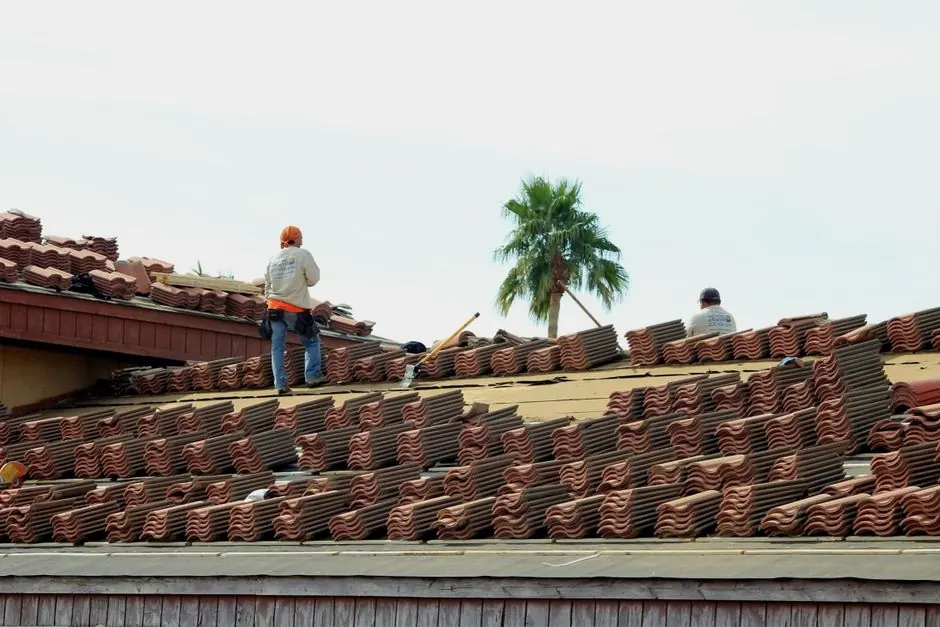
Roof Leak Detection & Repair
Specialized diagnostic tracing to locate hidden water entry points before they damage interior structures.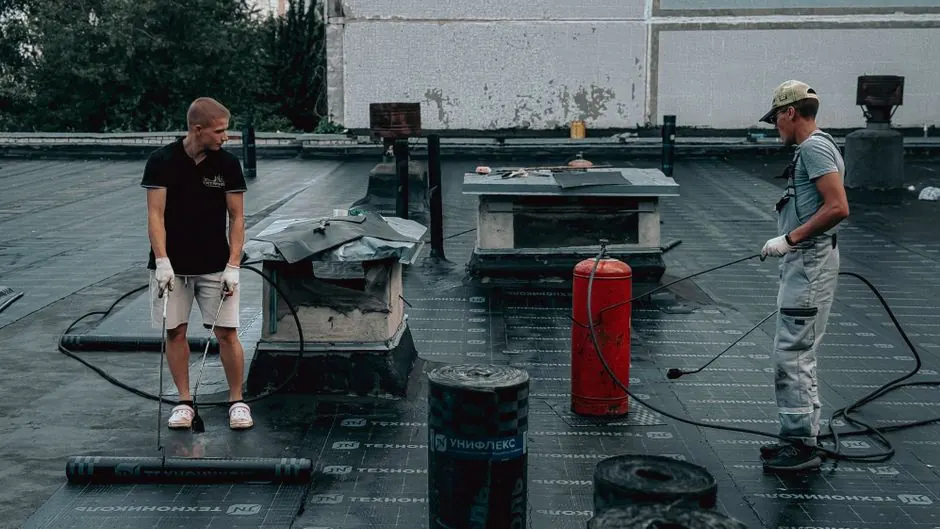
Roof Replacement
Full tear-off and new roof installations when localized repairs are no longer cost-effective or practical.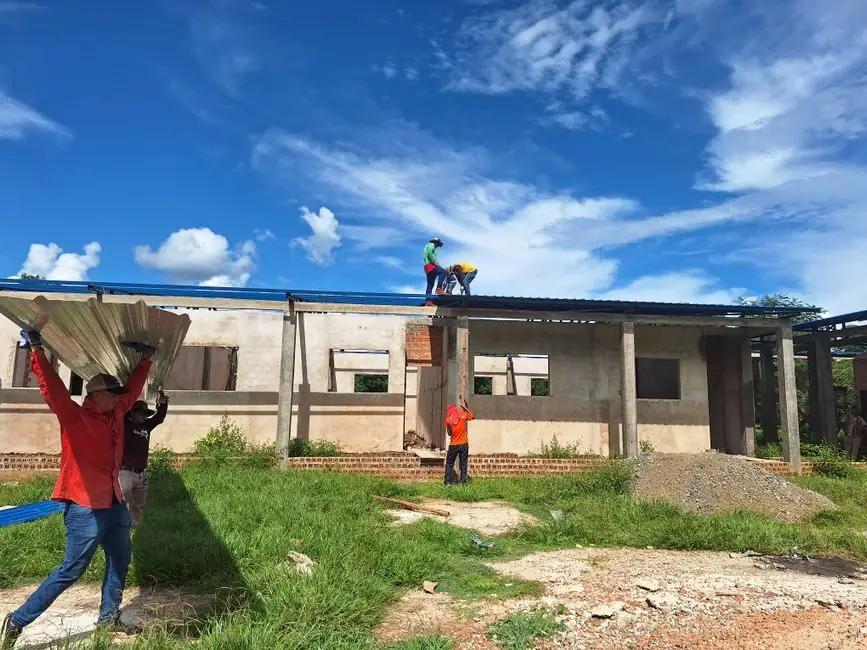
Storm Damage Repair
Fast emergency storm assistance for windblown shingles, hail impacts, and falling tree limbs.Ready when you are
Ready for Professional Roof Repair in Silver Spring?
Don't let a small leak turn into costly structural damage. Contact us today for a thorough assessment and restore your home's protection.
Talk with the local team
Request a Roof Repair Assessment in Silver Spring, MD
If you have noticed damaged shingles, deteriorating flashing, roof-edge problems or signs of water entering your home, the next step is to understand the condition of the affected roof area.
Share what you have noticed, where the problem appears and whether it has occurred before. An assessment can help establish the repair scope, identify related roof components and explain whether a localized repair or a broader roofing evaluation is appropriate.
Contact us to discuss your roof repair needs in Silver Spring, Maryland.
Saturday: 8:00 AM – 4:00 PM
Sunday: Closed